Why We’re Falling for Antique Jewellery Again
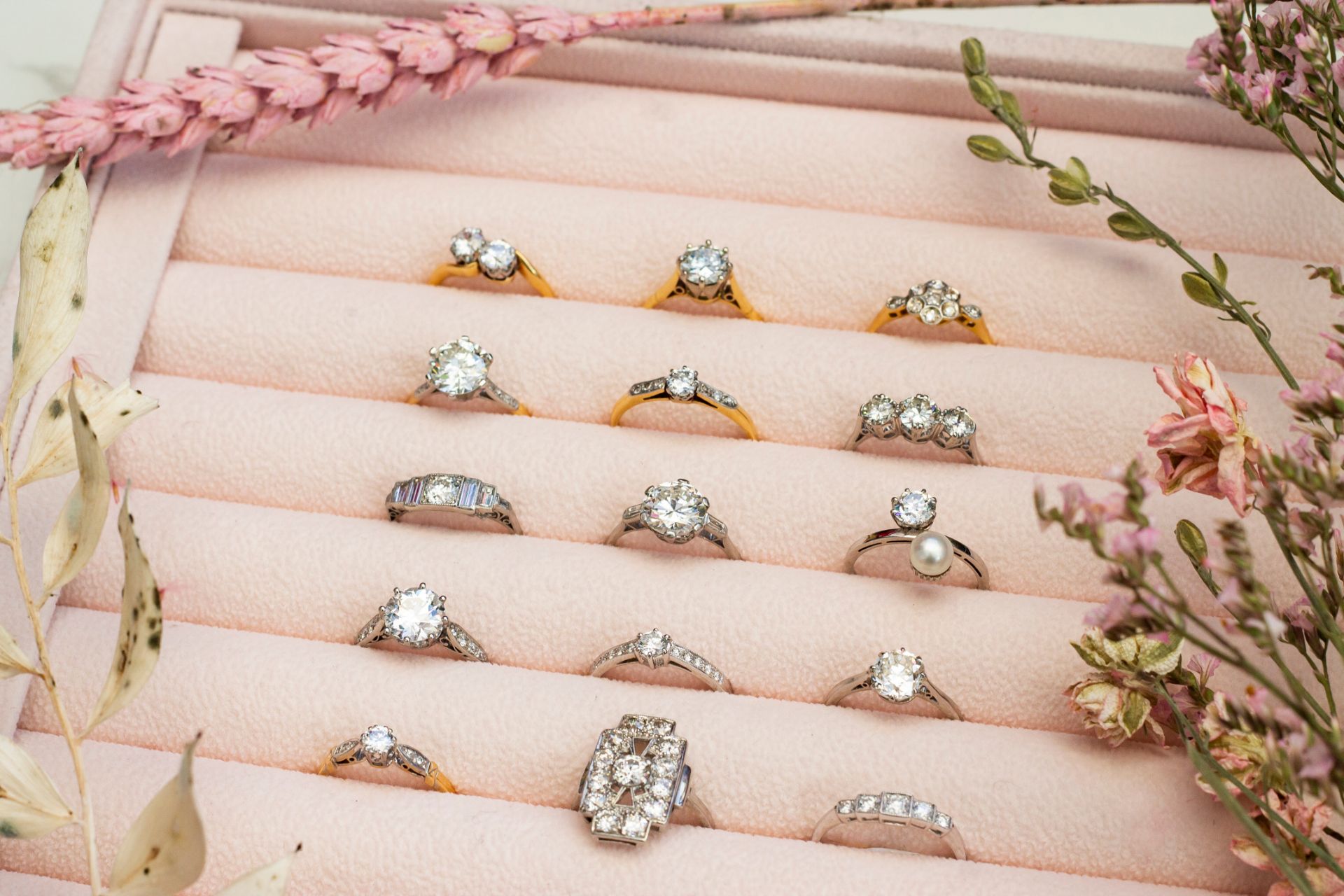
Jessica Spencer2026-10-22T10:54:11+00:00At a recent auction, I found myself being outbid more times than I could count. Victorian rings, old-cut diamonds and other pieces of antique jewellery were attracting considerable competition, often selling for more than I had anticipated.
Back at our shop in Leeds, I’ve noticed something similar. Customers seem increasingly interested in antique jewellery, and the questions they’re asking are becoming more informed. It’s no longer simply about whether a ring is Victorian or Edwardian. People want to know who made it, what its hallmarks mean, how the stones were cut and what its design might tell us about the person who originally wore it.
After years of working with antique jewellery, I find this growing curiosity particularly interesting.
The Stories Behind the Jewellery
One area that seems to be attracting renewed interest is Victorian mourning jewellery.
These pieces can be deeply personal. Hairwork, black enamel, inscriptions and symbolic motifs were all used to commemorate loved ones, particularly during the 19th century.
What might once have appeared rather sombre to a modern buyer now often prompts questions about the people who wore these pieces and the meanings they held.
Of course, not every piece of black Victorian jewellery was made for mourning. Whitby jet, for example, was also worn as fashionable jewellery. Understanding the distinction is part of what makes these pieces so interesting.
A Brooch with a Remarkable History
Occasionally, a piece of jewellery arrives with a little of its history still attached.
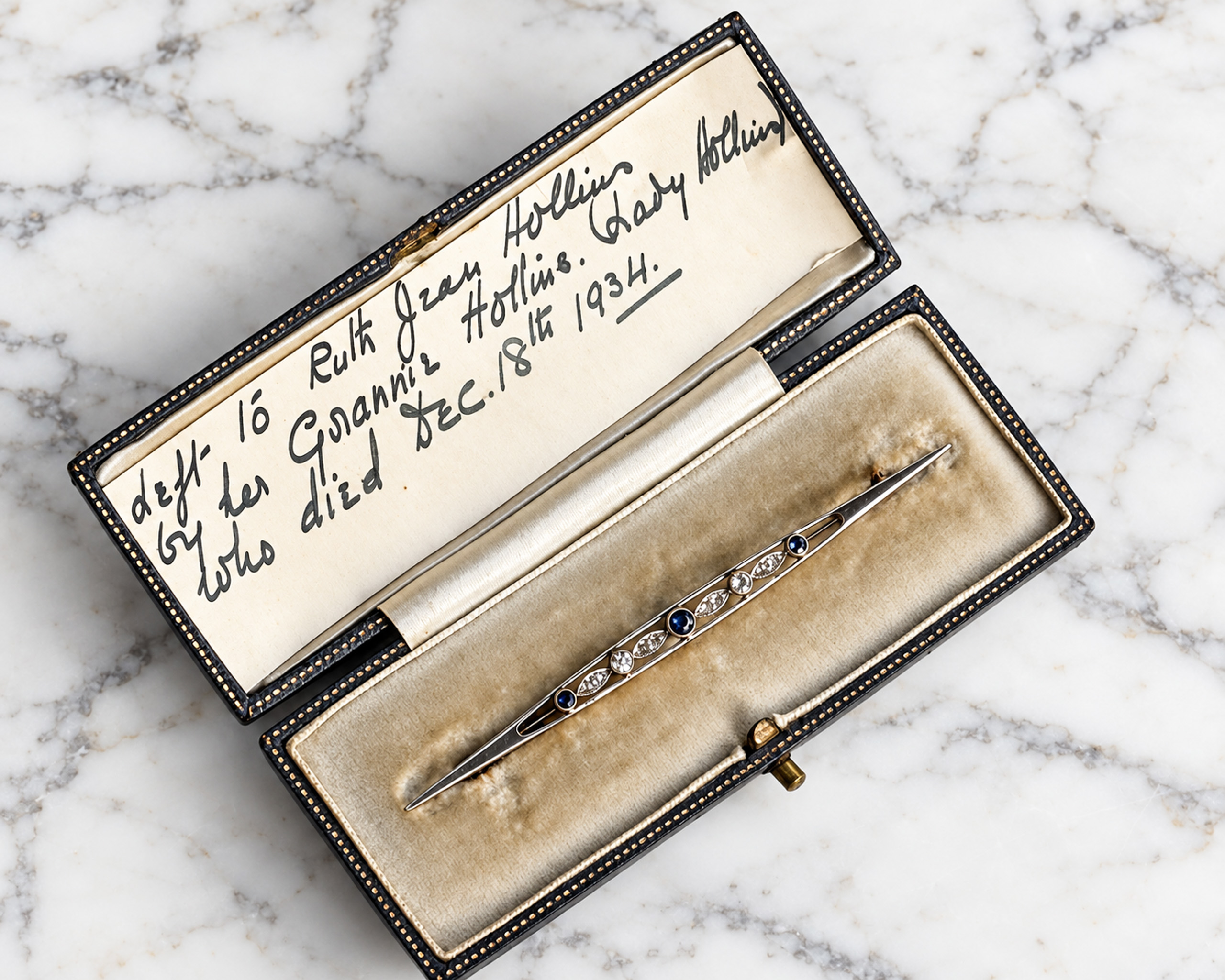
We recently acquired an Edwardian sapphire and diamond brooch accompanied by a handwritten note recording that it had been left to Ruth Jean Hollins by her grandmother, Lady Hollins, who died in 1934.
That small piece of paper led us to research Dora Emily Susan Hollins, a philanthropist from Preston, and discover more about the woman who had once owned the brooch.
Without the note, we would have admired the brooch for its design, gemstones and craftsmanship. With it, the piece became something much more personal.
It’s unusual to be able to connect antique jewellery to a named individual, and even more unusual to have a surviving record of how it passed through a family.
For me, discoveries like this are one of the most rewarding parts of working with antique jewellery. They remind us that these weren’t simply decorative objects. They belonged to real people, with lives and stories of their own.
An Appreciation for Older Diamond Cuts
We’re also seeing customers take a greater interest in the diamonds themselves.
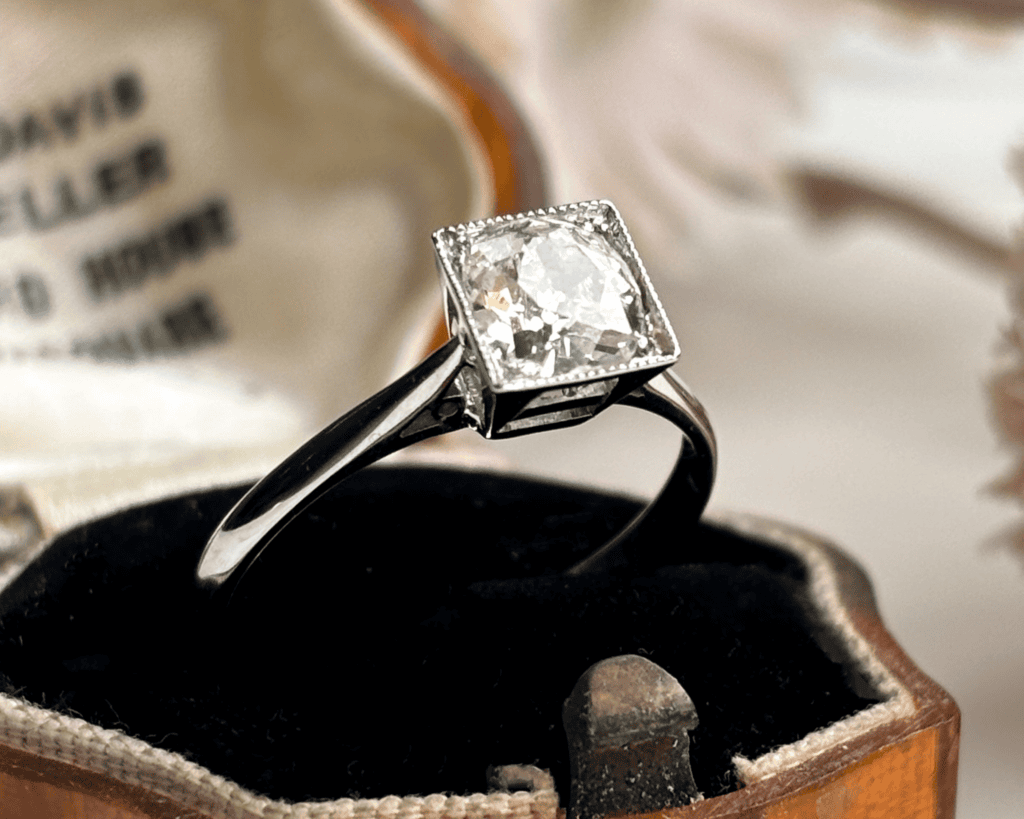
Old mine-cut and old European-cut diamonds have a character that differs from modern brilliant cuts. Their proportions, facet arrangements and individual variations reflect the cutting techniques of their time.
Increasingly, customers are asking specifically for these older cuts rather than simply choosing a diamond based on its size.
It’s a change I find encouraging, because it suggests people are beginning to appreciate the individuality of antique diamonds and the craftsmanship involved in cutting them.
The Fascination with Hallmarks and Makers
Another thing I’ve noticed is how interested customers have become in the smaller details.
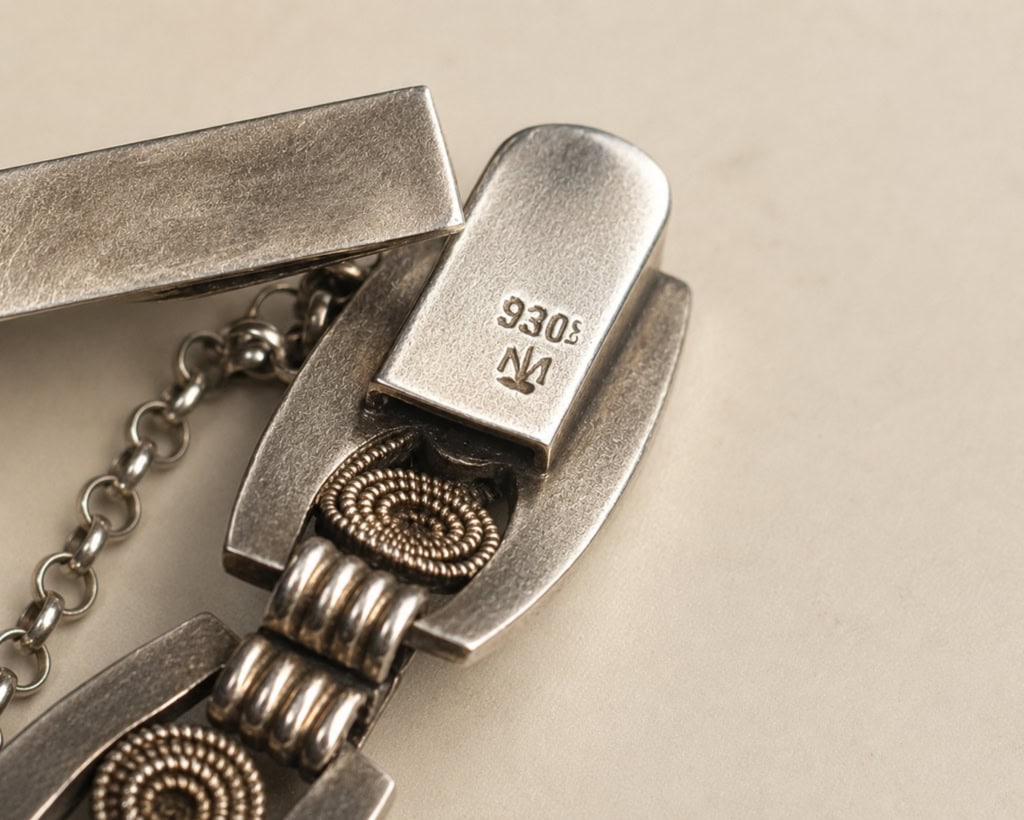
A maker’s mark, an unusual hallmark or an inscription can completely change the conversation around a piece of jewellery.
Chester hallmarks, for example, are particularly interesting because the assay office closed in 1962. French hallmarks can also be fascinating to investigate, particularly when they help establish where a piece was made.
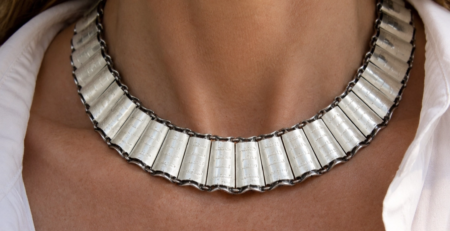
We’re seeing similar interest in signed Scandinavian silver and enamel jewellery, where the identity of the designer or maker can be an important part of its appeal.
These are details that might once have been overlooked by someone buying jewellery primarily for its appearance. Now, they’re often part of what makes a piece desirable.
Something Tangible in a Digital World
Perhaps part of antique jewellery’s appeal is that it offers something tangible in an increasingly digital world.
A hallmark can lead us to a particular assay office or date. An inscription might reveal a name or occasion. A handwritten note, tucked away with a brooch for generations, can open up an entirely unexpected piece of family history.
Not every mystery can be solved, of course. Most antique jewellery arrives without any record of its previous owners, and we can only imagine the lives it has been part of.
But I think that’s part of its attraction.
For customers, and certainly for me, the pleasure isn’t always just in owning something beautiful. It’s in discovering what we can about its past, appreciating the craftsmanship and knowing that we’re becoming part of a story that began long before us.
Jessica Spencer
Antique Jewellery Specialist
Jessica Spencer is part of the third generation at Aladdin's Cave Jewellery in Leeds. Her guides are based on the real antique jewellery handled in the shop and decades of family experience.